This post may contain affiliate links. If you purchase through these links, I may earn a small commission at no extra cost to you. Read our full Affiliate Disclosure
Have you ever poured hours into writing blogs or posting on social media, only to see people visit… and then disappear forever?
That was me when I first started. I thought traffic alone would pay the bills. But without an email list address from day 1, I had no way to bring people back, no way to build trust, and no way to turn casual readers into loyal buyers.
The truth is, every successful blogger, affiliate marketer, or small business owner has one thing in common: they own their audience through email.
In this guide, I’ll show you why starting your list early is the smartest move you can make. And exactly how to do it, even if you’re a total beginner.
Table of Contents
My Big Beginner Mistake: Skipping the Email List
When I first started affiliate marketing, I made a classic mistake: I didn’t build an email list address from day 1.
I thought traffic would be enough. People would read my blog, click my affiliate links, and make a purchase. Simple, right? Wrong.
Here’s what actually happened:
- Visitors came, read, and left, never to return.
- My social media following looked good, but when algorithms changed, my reach dropped overnight.
- I lost potential sales because I had no way to follow up with interested readers.
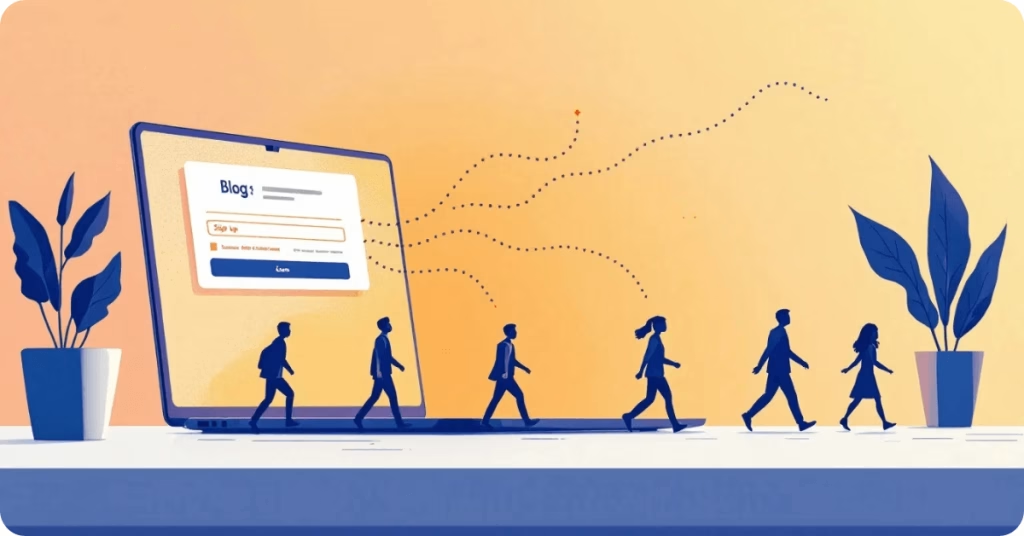
Looking back, this mistake cost me time and money. If I had started early, even collecting 2 to 3 email email list address per day, I could have built a strong owned audience email marketing channel by now.
Curious how I began? Here’s my story: How Affiliate Marketing Became My Path to Freedom in 2025 real struggles, real lessons.
What Does It Mean to Build an Email List from Day 1?
When we say “build an email list from day 1,” it doesn’t mean waiting until you’re an expert. It means:
- Setting up your email list startup guide, the same week your blog goes live.
- Adding a simple email signup form near the top of your website.
- Offering a lead magnet for email list growth, even a small one.
- Collecting, storing, and nurturing emails using tools like Systeme.io or ConvertKit.
The earlier you start, the more your audience compounds over time.
Not sure which niche to start with? Read: How to Choose a Profitable Niche as a Beginner and make your first step count!
Email List Address – Why It Matters From Day 1
When you start building your email list from day 1, one of the first technical terms you will come across is your email list address.
This is not just a single email but the unique identifier your email marketing tool uses to send messages to your subscribers.
Think of it like the doorway to your owned audience. Many beginners confuse their personal email address with a professional email list address, but they are not the same.
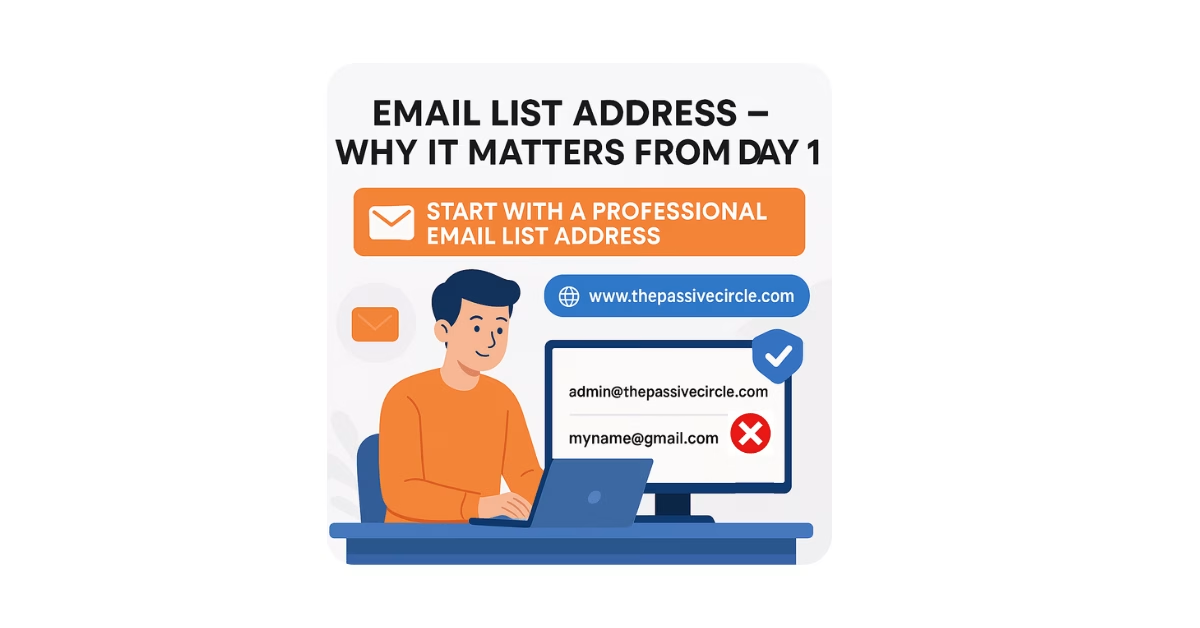
A proper email list address is usually linked to your domain (e.g., admin@thepassivecircle.com) and gives your emails more credibility. If you send emails from a generic Gmail or Yahoo address, many of your messages may land in the spam folder, and that can hurt your open rates from day one.
A verified email list address also improves your sender reputation, which is key for long-term email marketing success. Setting this up is simple in tools like Systeme.io or ConvertKit.
They guide you through domain authentication and email verification. Once you have a proper email list address, your readers start trusting your emails more, and that helps increase engagement.
Beginners often skip this step because they think it is technical, but it’s actually one of the easiest and most important steps in the early stage. Without a verified email list address, your affiliate offers or newsletters may not even reach your audience.
So, set this up before your first welcome email goes out. It’s a one-time effort that pays off every time you hit “send.”
Why Build an Email List Early: The Real Impact
Why build an email list early? Because your future self will thank you.
Here’s what happens when you delay:
- You rely too much on Google traffic or paid ads.
- You keep “selling to strangers” instead of warming up readers.
- You miss the email list ROI, which studies show can be as high as $36 per $1 spent (HubSpot).
Think of your email list as a savings account: the sooner you start, the more it grows.
Benefits of Building an Email List as a Beginner
When you’re just starting, it might feel like email is “for later.” But actually, the benefits of building an email list are even bigger for beginners:
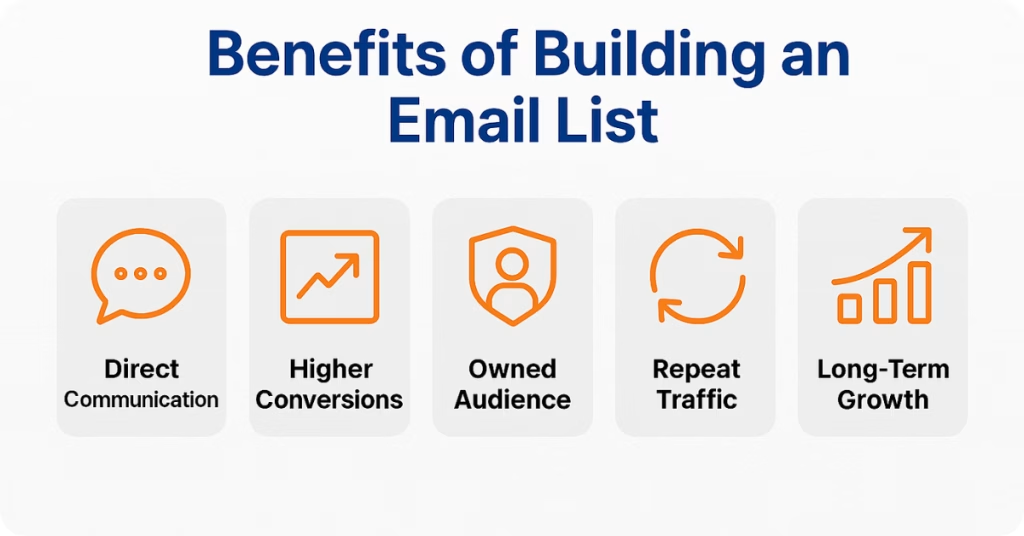
- Direct connection: Talk directly to your readers, no algorithm walls.
- Low cost, high return: You can build an email list for free using Systeme.io.
- Trust-building: Share tips, tools, and your personal journey.
- Promote without being pushy: Educate first, recommend later.
- Long-term growth: Each email is an asset that stays with you.
Takeaway: Start small, but start now. One subscriber today is better than ten next year.
Email List vs Social Media: Why Email Wins Every Time
I started with social media. Maybe you did too. But here’s the truth: email list vs social media is no contest.
Social media is borrowed attention. Your posts compete with memes, ads, and videos. Algorithms decide if you get seen.
Email is different:
- You own the contact.
- Your message goes straight to their inbox.
- Open rates and conversions are higher (on average, 20–30% vs 1–2% on social).
Tip: Use social media to grow your email list, not to replace it.
Email List Startup Guide: What You Need to Start
Starting is simpler than you think. Here’s your email list startup guide:
- Pick a tool: Systeme.io (great free plan) or ConvertKit (more automation).
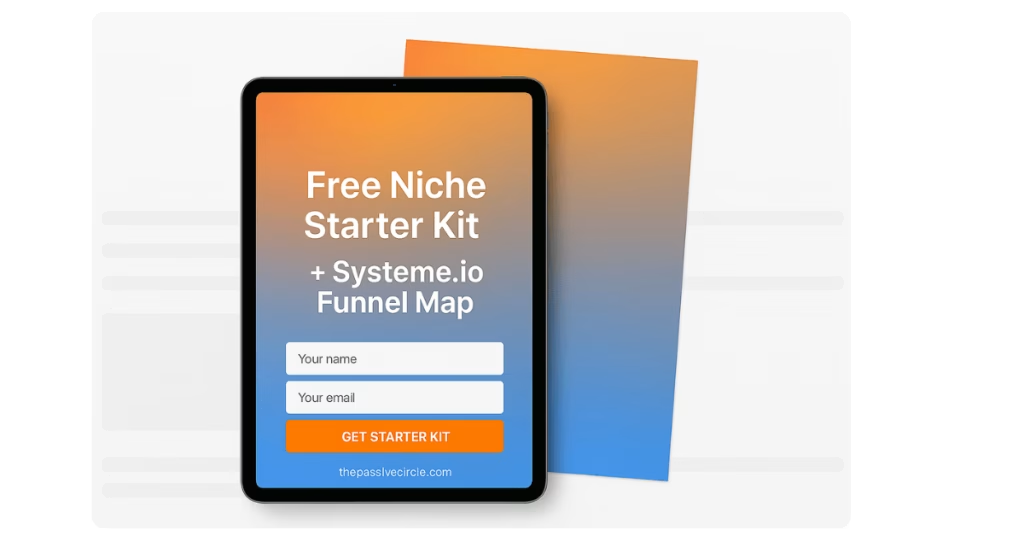
- Create your lead magnet: Offer something quick and valuable. Example: Free Niche Starter Kit + Systeme.io Funnel Map.
- Place signup forms: Homepage, sidebar, blog posts, and footer.
- Write a welcome email: Thank them, give the freebie, and share what to expect.
- Send regular value emails: One per week is enough in the beginning.
Takeaway: Don’t overcomplicate. Simple setup = faster results.
How I Finally Started: My Lessons and Mistakes
Here’s my real story. At first, I tried to grow only with blogs and social media. I thought: “More posts = more sales.”
I experimented with Mailchimp and Sendinblue, but I didn’t know their pros and cons. I switched tools too often.
Finally, I settled on Systeme.io because it was:
- Free to start
- Beginner-friendly
- Included funnels and automation
Now, I also plan to set up ConvertKit for advanced segmentation.
Lesson learned: Start imperfectly. It’s better than not starting.
Step-by-Step: Build Your Email List Fast
Want to build your email list fast? Here’s a proven method:
- Define your audience: Who do you want to attract? Beginners? Bloggers?
- Pick a lead magnet topic: Solve a small but painful problem.
- Use a clear call-to-action: “Download Free Starter Kit” works better than “Join my newsletter.”
- Promote everywhere: Blog posts, social media, YouTube, and even your email signature.
- Send consistent value: Don’t wait months before your next email.
Takeaway: Consistency beats perfection. Keep showing up in inboxes.
Email Addresses Names
Another overlooked detail when you build an email list from day 1 is how you collect and manage email addresses names.
When people sign up, don’t just ask for their email, ask for their first name too. This may sound like a small thing, but using names in your emails makes them feel personal.
Imagine the difference between “Hey there, here’s your free starter kit” versus “Hey John, here’s your free starter kit.” The second one feels warmer and more human. Tools like Systeme.io and ConvertKit allow you to add a name field easily in your signup forms.
You can also make it optional if you worry about reducing sign-ups.
Why Collecting Names Along with Email Addresses Matters
Why does this email addresses names matter for affiliate marketing? Because people buy from people they trust, and adding names to your email addresses list helps build that connection. It also allows you to segment your list in the future.
For example, you could create a campaign for readers who entered a name versus those who did not. That level of personalization increases open rates and click-through rates over time.
Beginners sometimes worry it’s too much information to ask upfront, but in most cases, a name and email combo works well. So, from the very first day, make collecting email addresses names a standard part of your list-building strategy.
Lead Magnet for Email List: What Works Best?
Your lead magnet is the “bribe to subscribe.” Here are winning formats:
- Cheat sheet: Quick, actionable tips (e.g., 10 Profitable Affiliate Niches).
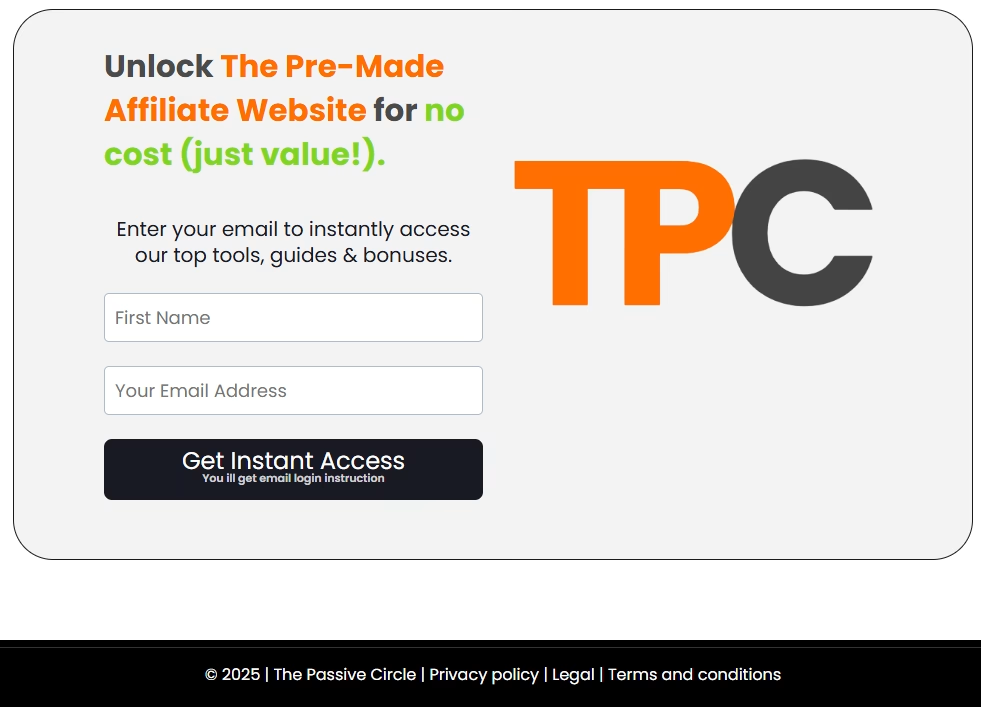
- Templates: Your Free Affiliate WordPress Template is perfect.
- Starter kit: Bundle your Affiliate Marketing Starter Toolkit with a funnel map.
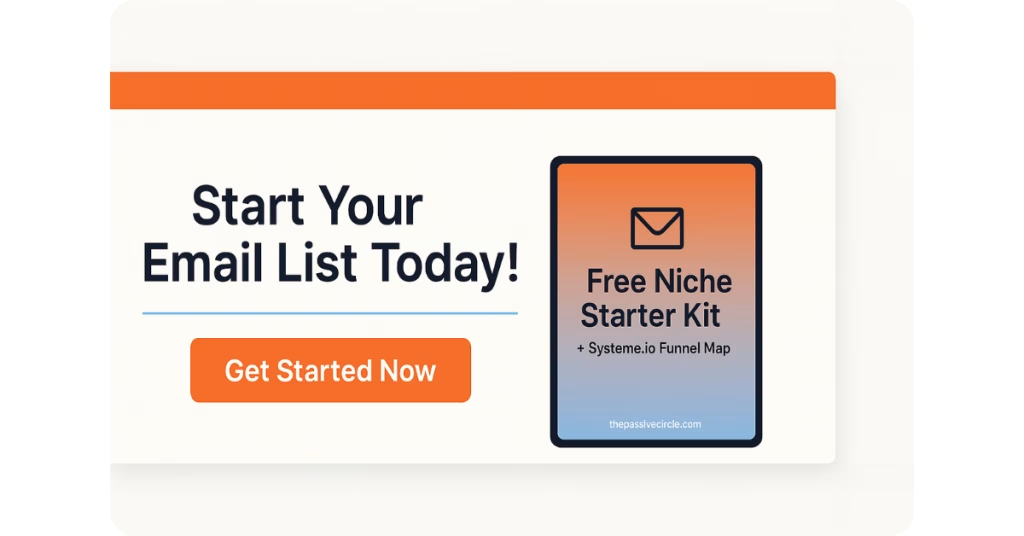
Make it simple, not a 50-page eBook. People love fast wins.
Email Marketing and SEO: How They Work Together
Does email help SEO? Yes, indirectly.
- Emails bring repeat visitors, which reduces bounce rate.
- Subscribers share your posts, increasing backlinks.
- Regular traffic tells Google your content is valuable.
Takeaway: SEO gets them in, email keeps them coming back.
Segment Email List from Day One: Is It Necessary?
Many guides say you should segment email list from day one. In theory, yes. In practice, keep it simple:
- Start with one main list.
- Send helpful emails to everyone.
- Segment later when you have 500+ subscribers (by interests, product, or stage).
Email List Cleaning : Keep Your List Healthy and Profitable
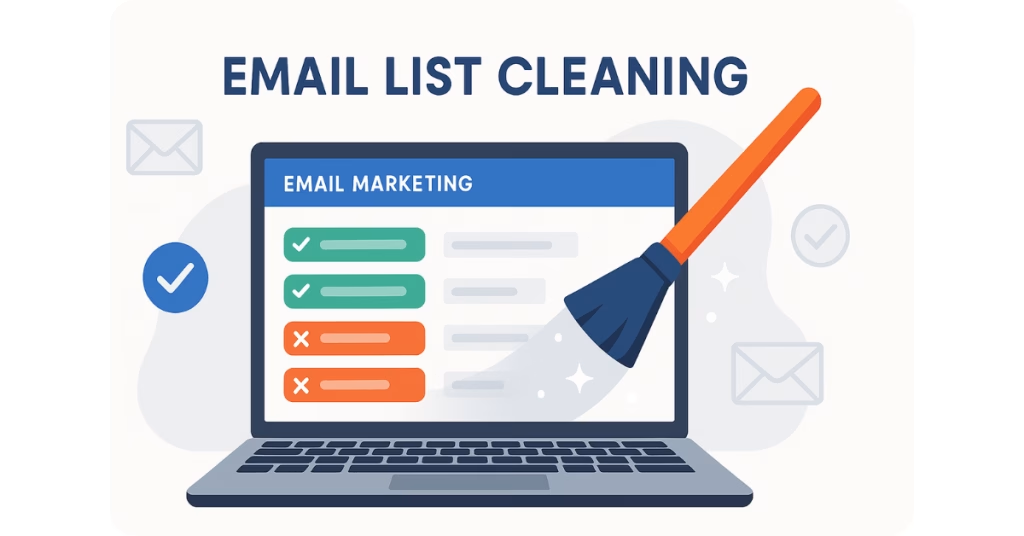
Even if you start an email list early, not every subscriber will stay active. Some people sign up, download your freebie, and never open another email. Others use fake emails just to grab the lead magnet. This is where email list cleaning becomes important.
It’s the process of removing inactive, fake, or bounced email addresses from your list. Why does this matter? Because every time you send an email to a dead address, it hurts your sender reputation.
Over time, this lowers your deliverability, meaning fewer real subscribers see your emails. Most email marketing platforms like Systeme.io or ConvertKit provide basic email list cleaning features, they automatically mark hard bounces or invalid emails.
But you should also manually clean your list every few months. Remove subscribers who haven’t opened your emails in 3–6 months. Send a re-engagement email before removing them, just in case they want to stay.
Beginners often think a big list is a good list, but quality is far more important than quantity. A clean list of 500 active readers is better than 5,000 uninterested ones. Start this habit early, even with your first 100 subscribers. And your email list ROI will stay healthy.
Why Email List Matters More Than You Think
Your blog? Rented space on Google.
Your social? Borrowed attention.
Your email list? That’s yours. It’s your safety net when algorithms change.
This is why email list matters is not just marketing talk, it’s your business foundation.
My Recommended Tools: Systeme.io & ConvertKit
I recommend two tools:
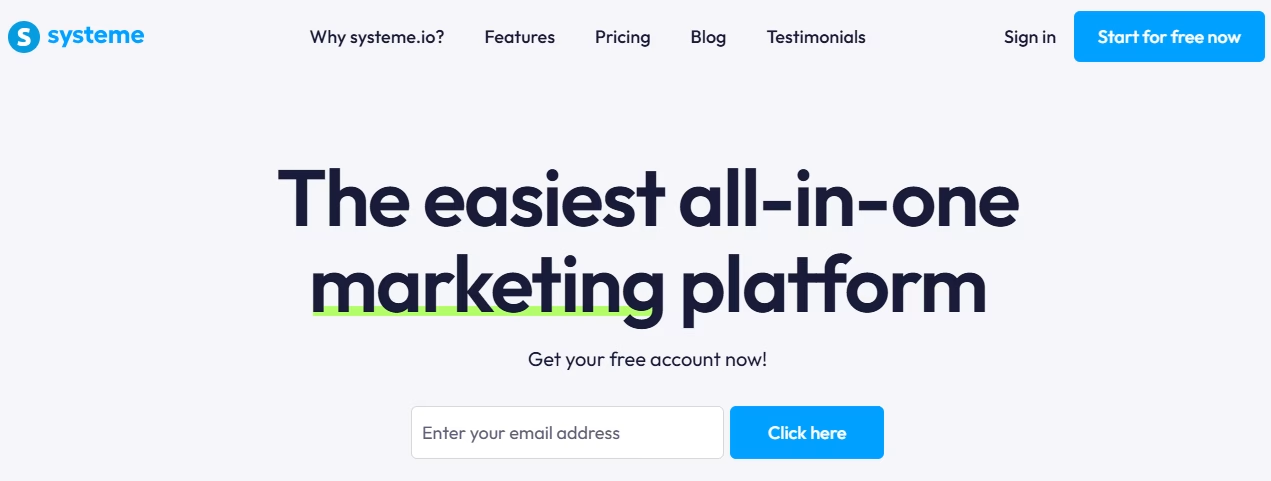
- Systeme.io: Free, all-in-one, easy to use. Perfect for beginners who want to start an email list early.
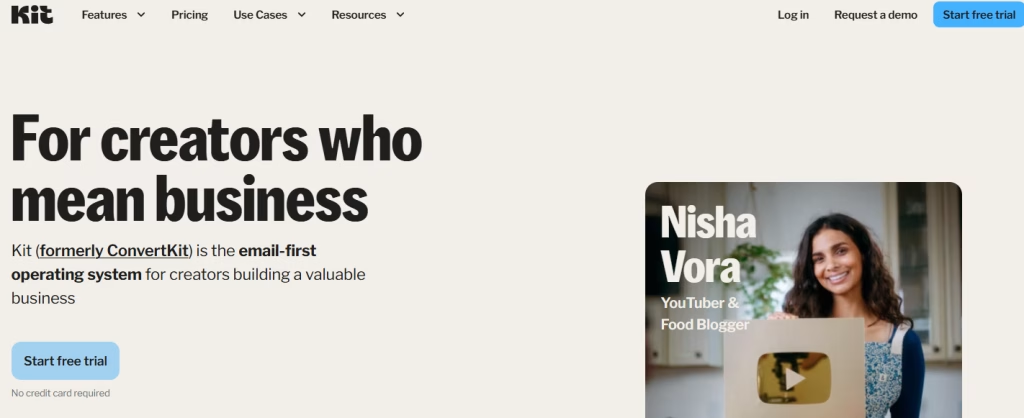
- ConvertKit: Paid, but more advanced. Great for segmentation, automation, and serious email marketing.
Both integrate with WordPress, landing pages, and affiliate funnels.
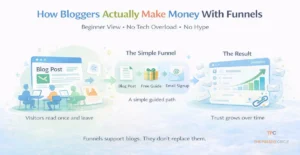
This guide explains how an email funnel for bloggers works and why it matters more than traffic alone.
FAQs: Building Your Email List
1. How do I create an email list?
Choose an email provider (like Systeme.io), add signup forms to your site, create a lead magnet, and start collecting subscribers.
2. Can you build an email list for free?
Yes. Tools like Systeme.io offer free plans that allow up to 2,000 contacts without cost.
3. How to build an email list for free?
Use free tools, create a simple lead magnet, share it on social media and blogs, and drive organic traffic.
4. How much is a 10,000 email list worth?
Depends on your niche and engagement. In affiliate marketing, even a small list (2–5%) can generate thousands monthly.
5. What does it mean to build an email list?
It means collecting and managing the email addresses of people interested in your niche or content.
6. How to Build an Email List in WordPress?
Use a plugin or connect a platform like Systeme.io or ConvertKit with your forms and landing pages.
7. How to build an email list without a website?
Leverage social media, YouTube, or a free landing page builder like Systeme.io.
8. Best email list providers?
Systeme.io, ConvertKit, AWeber, MailerLite, Mailchimp.
9: What is email list cleaning?
Email list cleaning is the process of removing invalid, inactive, or fake email addresses from your subscriber list. Over time, people change their emails, stop opening your messages, or sign up with temporary accounts just to get a freebie. Sending emails to these addresses hurts your sender reputation and reduces your email deliverability.
10: Why is email list cleaning important?
Because a dirty list means lower open rates, higher bounce rates, and more chances of landing in spam folders. A clean list ensures your emails reach real people who actually want to hear from you. This is especially crucial if you build an email list from day 1, good habits early keep your list healthy.
11: How often should I clean my email list?
Most marketers recommend cleaning your list every 3–6 months. However, if you notice a sudden drop in engagement, do it sooner. Regular cleaning keeps your email marketing costs down and your list quality high.
12: Can beginners do email list cleaning easily?
Yes! Tools like Systeme.io, ConvertKit, and MailerLite have built-in cleaning features. They automatically flag hard bounces and invalid addresses. For deeper cleaning, you can use tools like ZeroBounce or NeverBounce.
13: Does cleaning reduce my email list size?
Initially, yes — but that’s a good thing. A smaller list of active subscribers is far more valuable than a big list full of dead emails. Quality beats quantity.
Important Insight: email list for small business
If you are running a blog or affiliate site as a one-person operation, you might think email marketing is only for big companies. But in reality, an email list for small business is one of the smartest, lowest-cost ways to grow online.
Whether you’re promoting digital tools, online courses, or even local services, an email list gives you direct access to your potential customers.
Unlike social media ads or paid promotions, once someone subscribes, you don’t pay per click or impression, you own that audience. For a small business, this is powerful because your budget is limited, and every lead matters.
You can send weekly tips, product updates, or special offers without spending a fortune. Tools like Systeme.io make it easy for small businesses to start with zero upfront cost.
Even if you have only 50 subscribers, that’s 50 people you can reach anytime. Over months, this snowballs. Many small businesses generate thousands of dollars from a few hundred subscribers because the connection is personal and consistent.
If you are a beginner affiliate marketer, treat your site like a small business and your email list as its most valuable asset. Start now, nurture your list, and it will become the foundation of your income stream.
Final Takeaway: Start an Email List Early
If I could go back, I’d build an email list address from day 1 without hesitation.
Here’s your action plan:
- Sign up for a free tool like Systeme.io.
- Offer a relevant lead magnet (e.g., your Free Niche Starter Kit).
- Place forms in key spots.
- Send one helpful email this week.
Your blog is your shop. Your email list is your loyal customer base. Start building it today.
I share everything I learn about affiliate marketing as I go. Here are my most recent posts you might find helpful.
- How to Do Keyword Research for Free (Find Easy Keywords for Beginners)
- Link Juice in SEO: A Simple & Easy Guide for Beginners
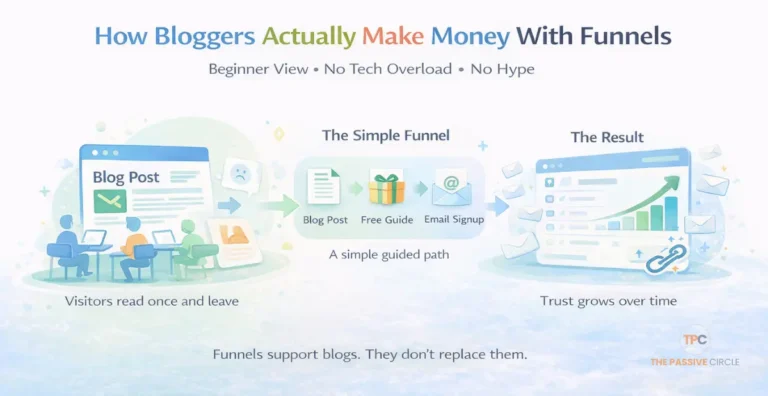
- How Bloggers Make Money With Affiliate Marketing Funnels (Simple Guide)
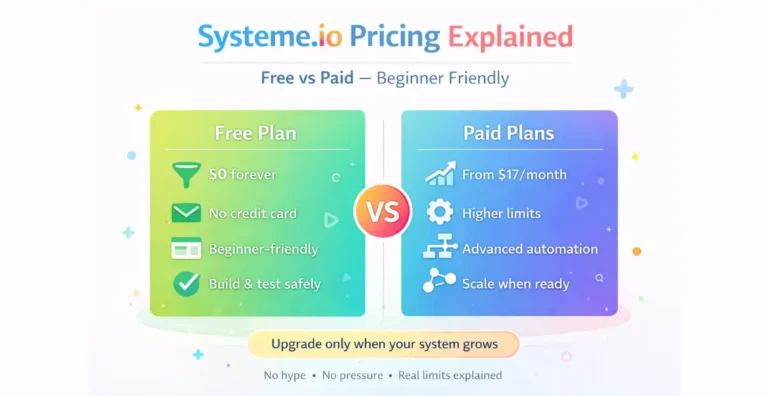
- Systeme.io Pricing Explained for Beginners (Free vs Paid Plans)
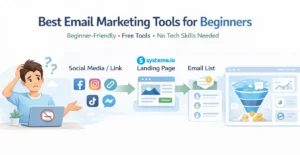
- Best Email Marketing Tools for Beginners With No Website