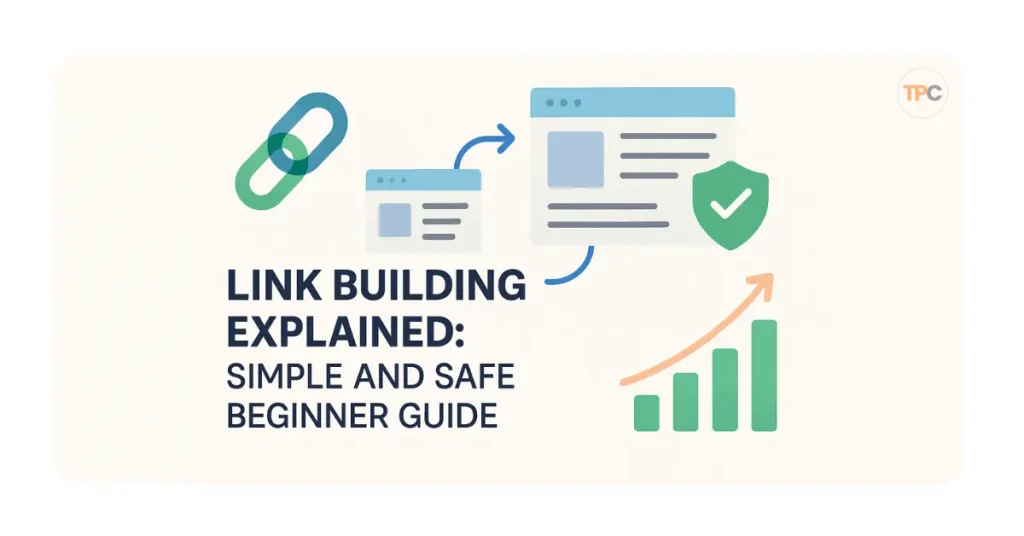
When you start learning SEO, you will hear about link building everywhere. It may sound technical, but the idea is simple. Link building means taking steps that help other websites link to your content. These links tell Google that your blog is useful.
When you earn more trusted links, your rankings improve. In SEO, building link authority is one of the fastest ways to grow. Many beginners think link building requires special tools or advanced skills.
You do not need to be a link-building specialist to get started. You only need helpful content and a few simple strategies. The goal is not to trick Google. The goal is to build real connections with real websites that like your work.
Table of Contents
What is Building Link Means in SEO
Link building is the process of getting backlinks from other sites. A backlink is a vote of trust. When someone links to your blog, they tell search engines that your content is worth reading. This is why link building is a core part of SEO.
Strong link building helps you:
- Improve your rankings
- Attract referral traffic
- Build your brand
- Grow your authority in your niche
Link building works best when your content actually solves problems for your audience. This makes your blog link-worthy, which is the heart of all link-building strategies.
The Connection Between Backlinks and Building Link Authority
Building link authority means increasing the number of high-quality links pointing to your site. These trusted links help search engines understand that your blog is reliable. When you consistently publish helpful content, you naturally attract more backlinks. This slow and steady growth builds link authority over time.
Search engines prefer websites that are part of a healthy link ecosystem. If trusted sites link to you, your content looks stronger. If you earn links from low-quality or unrelated sites, your authority may weaken. This is why beginners must focus on relevant and useful links.
How to Start Link Building as a Beginner
Starting link building is not difficult. Begin with simple methods that fit naturally with your content. You do not need paid tools or expensive services. You only need a clear plan and consistent effort.
Here are beginner-friendly ways to build your first links.
- Create helpful content
Good links begin with good content. Write guides, reviews, and tutorials that solve real problems. When your content is useful, people link to it more often. - Do guest posting
Offer to write helpful articles for other blogs in your niche. You provide value to their readers, and you get a backlink in return. Guest posting is one of the safest and most consistent link-building methods. - Join niche communities
Platforms like Reddit, Facebook groups, or SEO forums allow you to share insights and help others. When your answers help people, they may link to your content later. - Use broken link building.
Find pages with broken links and suggest your content as a replacement. Many site owners are happy to fix broken links and link to your relevant guide instead. - Share content on social platforms
Social media links are usually nofollow, but they still increase visibility. Increased visibility can lead to organic backlinks from bloggers who discover your content.
Link building grows faster when you combine these simple actions.
Understanding Building Link Login and Similar Search Terms
Search terms like building link, login, or login building link often confuse beginners. These keywords usually refer to users trying to access dashboards for link-building tools or platforms. They are not core SEO concepts. People search for these phrases when they want to log in to a tool they already use.
As a blogger, the only thing you need to know is this. You do not need a special dashboard to start building link authority. Simple content and outreach can help you earn natural links without any complicated tools.
What Is Google Link Builder
Some beginners search for Google Link Builder, thinking it is an official tool for building links. Google does not offer a tool that creates backlinks for you. When people use this term, they often refer to simple Google-owned tools that improve visibility, not link creation.
These include:
- Google Search Console
- Google Analytics
- Google Business Profile
These tools help you understand your performance. They do not create links. Your backlinks come from people, not from Google tools.
Should You Use Best Link Building Services
You may find services that promise fast backlinks or “done for you” link campaigns. Some services are legitimate. Many are not. Cheap link-building services often use low-quality websites, automated methods, or irrelevant links.
Using the wrong service can put your site at risk. Search engines want natural links. Paid link blasts can create patterns that look suspicious.
If you ever consider a link-building service, focus on companies that follow white hat SEO practices. They should create links through genuine outreach, real content, and relevant partnerships. Avoid anything that promises unlimited links or guaranteed rankings.
Build Link Slowly and Steadily
Good link building is slow and careful. Bad link building is fast and harmful. You do not need hundreds of backlinks in one month. You only need building links that make sense for your niche.
Strong link building grows like this:
- A few beginner-friendly links
- One or two guest posts
- Links from communities
- Organic links as your content improves
This pattern looks natural to Google. It also builds long-term trust.
SEO Without Link Building
Many beginners ask if SEO works without link building. Yes, you can rank small, long-tail keywords without backlinks. Your content and on-page SEO can help you get early wins. But if you target competitive topics, you will eventually need backlinks.
Think of link building as a support system. It pushes your good content higher. Without it, your growth may be slow. With it, your visibility increases and your authority grows.
You do not need dozens of links to start ranking. Even a few strong backlinks can make a big difference.
When to Hire a Link Building Specialist
You might consider a link-building specialist when:
• You want to scale link building
• You have many posts ready for outreach
• You want to save time
• You prefer someone experienced in outreach and relationship building
A link-building specialist can help, but you should understand the basics first. This helps you choose the right person and avoid risky methods.
For beginners, it is better to start with simple manual link building. You build skills, confidence, and a natural backlink profile.
Final Thoughts
Building link is not confusing once you understand the basics. It is simply the practice of earning links from other websites that trust your content. When you publish helpful posts, reach out politely, and join the right communities, backlinks appear naturally.
- Take it slow.
- Choose quality links.
- Create real value.
- Avoid shortcuts and spam.
- Focus on long-term results.
If you’re interested in learning more about SEO, check out my Complete SEO Guide for a better understanding.
- How Does Web Hosting Work? What Happens When You Visit a Website?

- Best WordPress Hosting in Bangladesh: 5 Hosts Compared (2026)
- What Is BDIX Hosting? Does It Make Your Website Faster?

- How Much Does Web Hosting Cost in 2026? Hosting Prices Explained
- How to Choose Web Hosting: A Beginner’s Guide
Suggested Blog Posts
- The Ultimate Affiliate Marketing Guide for Beginners 2025 [Proven + Powerful Strategies]
- Systeme.io Ultimate Guide 2025: Login, Pricing, Features, Reviews, and How to Get Started
- ExonHost Review 2025: Best Hosting for Fast & Reliable Websites in Bangladesh
- 10 Simple Steps to Master Easy Table of Contents in Blocksy
- Blocksy Theme Review 2025: The Best WordPress Theme for Affiliate Bloggers
- How to Use Ubersuggest for SEO and Skyrocket Blog Traffic Fast (Honest Review + Free Trial)
- Avoid These 10 Affiliate Marketing Mistakes Beginners Always Make
Helpful Resources to Learn More About Link Building
If you want to understand link building from trusted SEO sources, the guides below explain how backlinks work and how to build them safely.
- Google Search Central – Link Schemes Guidelines
Learn what Google considers safe and unsafe link building practices. - Google SEO Starter Guide
Google’s official guide explaining how links help search engines understand content. - Ahrefs Beginner Guide to Link Building
A clear breakdown of what link building is and how beginners can start safely. - Moz Beginner’s Guide to Link Building
Simple explanations of backlinks, link authority, and natural link growth. - Backlinko Link Building Guide
Practical, beginner-friendly link building strategies explained step by step.