This post may contain affiliate links. If you purchase through these links, I may earn a small commission at no extra cost to you. Read our full Affiliate Disclosure
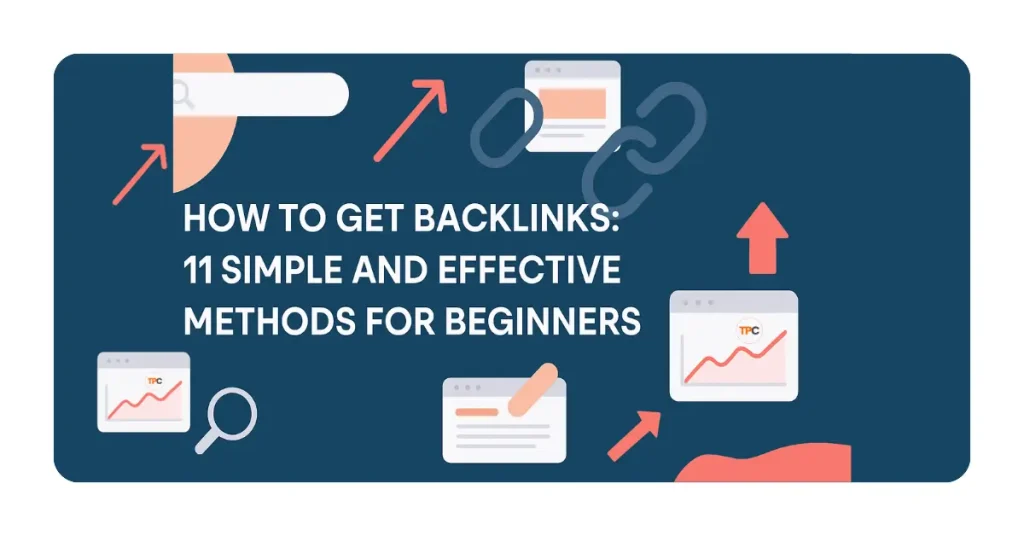
If you are new to SEO, backlinks can feel scary. Everyone says they are important, but no one shows a simple path. The truth is, you do not need tricks or secret tools.
You can get backlinks with clear steps, a bit of patience, and honest content. This guide walks you through a simple process. You can follow it even if your blog is brand new.
Table of Contents
Step 1: Understand- what are backlinks
Before you try to get backlinks, you need to know what they actually are.
A backlink is a link from another website that points to your site. Think of it as a small vote of trust. When someone links to your content, they tell Google that your post is useful. Link & Authority Basics
Backlinks help you:
- Build trust with Google
- Improve your rankings
- Bring extra traffic from other sites
Once you see backlinks as recommendations, the whole process becomes less scary.
Step 2: Make One Piece of “Linkable” Content
You will not get backlinks if there is nothing worth linking to. Your first real task is to create at least one strong, helpful piece of content.
Good “linkable” content can be:
• A step-by-step guide
• A detailed review with real results
• A comparison post
• A checklist or template
• A small case study
Ask yourself:
• Does this solve a real problem
• Would another blogger want to send their readers here
• Would I link to this if it were on someone else’s blog? Link & Authority Basics
If the answer is yes, you are ready to start link building.
Step 3: Fix Your On-Page Basics First
Before chasing backlinks, make sure your page is ready.
Check these simple points:
• Clear title with your main keyword
• Helpful headings
• Short paragraphs
• Internal links to other posts on your site
• Working images and clean layout
Backlinks send people to your site. If the page is hard to read, those visitors leave fast. Good on-page SEO helps visitors stay and engage. That gives Google even stronger signals.
Step 4: Start With Easy “Foundation” Backlinks
Now you can build your first small set of backlinks. These are simple links that help search engines find and trust your site.
You can do this in a few days.
Ideas:
• Add your site to your social profiles
• Link from your YouTube channel, Facebook page, or LinkedIn bio
• Share your post in personal groups with a short, helpful caption
• Add your site to a few niche-appropriate directories or communities
These are not super powerful links, but they help build your base and make your backlink profile look natural.5 Social & Local SEO
Step 5: Use Guest Posting to Earn Strong Backlinks
Guest posting is one of the safest and clearest ways to get high-quality backlinks.3 Link-Building Methods
Here is a simple guest posting process:
- Find sites in your niche
Search for blogs that write about SEO, blogging, affiliate marketing, or tools for beginners.
Look for blogs that already publish guest posts. - Read their content
Understand their tone and audience.
This helps you pitch better ideas. - Pitch a simple topic.
Send a short email with one or two article ideas.
Focus on content that teaches something useful, not on promoting yourself. - Write a helpful article.
Make it as good as or better than what you publish on your own site.
Add one natural link to your guide, review, or case study. - Stay in touch
Share the post on your social media.
Thank the site owner.
This can lead to more links in the future.
Guest posts give you:
• A quality backlink
• New readers who may follow you
• Strong EEAT signals because your name appears on other sites Link-Building Methods
Aim for one guest post per month as a beginner. That alone can move your rankings over time.
Step 6: Try Broken Link Building
Broken link building sounds technical, but it is quite simple. You help other sites fix dead links and, in return, you offer your content as a replacement.3 Link-Building Methods
Here is how you can do it:
- Find articles in your niche
Look for old posts on SEO, affiliate marketing, or tools. - Check for broken links.
Use a browser extension or a tool to highlight broken outbound links on the page. - Create or match content.
Make sure you have a guide or article that fits the same topic as the broken link. - Reach out politely
Send a short email to the site owner letting them know you found a broken link.
Share your article as a possible replacement. - Follow up once
If they do not reply, send one gentle follow-up after a week.
Site owners like this method because it helps them improve their user experience. You gain a backlink and a new contact.
Step 7: Use Niche Communities and Q&A Sites
Communities and Q&A platforms are great places to get early backlinks and traffic.
Examples:
• Reddit communities about SEO or blogging
• Facebook groups for affiliate marketers
• Quora questions about tools or beginner SEO
• Niche forums and Slack groups6 Community & Engagement Platfo…
How to use them safely:
- Join a few relevant groups.
- Read existing posts and rules.
- Start by answering questions without links.
- After people see you as helpful, share a link when it truly adds value.
- Never spam or drop links with no context.
These links are often nofollow, but they still send engaged visitors and can lead to natural backlinks later.
Step 8: Turn Your Best Content Into “Link Magnets”
Some content naturally attracts more backlinks. You can plan for this.
Good link magnets include:
• “Ultimate” guides on a narrow topic
• Comparison posts that save others time
• Real case studies with data and screenshots
• Free templates, checklists, or calculators
• Lists of tools that stay updated
When your content saves other bloggers time, they’re more likely to link to you than recreate it. Mention real tools, show real steps, and keep the post updated so people trust it.
Step 9: Watch Your Backlink Profile and Clean It
As your backlink profile grows, check it periodically. Use tools like Ahrefs’ backlink checker or similar tools to see who links to you.2 Link & Authority Basics
Look for:
• New quality links you earned
• Low-quality or spam links
• Sudden jumps in link numbers
If you find many spam links, you can run a simple backlink audit. Mark links that look harmful or totally unrelated to your niche, then use Google Search Console’s disavow tool if needed. This tells Google not to count those specific links against you.
You do not have to be perfect. The goal is a clean, natural pattern, not a flawless one.
Step 10: Build Long-Term Relationships, Not One-Time Links
Backlinks are easier when you have friends in your niche. Instead of thinking “I need one link from this person,” think “I want a long-term connection here.”
Ways to build real relationships:
• Share others’ content and tag them
• Comment with real thoughts on their posts
• Invite them for a small collaboration or interview for Brand & Awareness Building
• Feature their tools or guides in your posts
• Stay in touch after a guest post or link mention
When people like working with you, they often link to you more than once. They may invite you to podcasts, round-ups, or joint projects. Each one brings more backlinks and more trust.
Step 11: Be Patient and Consistent
Backlinks grow slowly. You might not see results in the first few weeks. That is normal. SEO is a long game. Your job is to keep publishing helpful content and keep reaching out in a calm and steady way.
You can keep a simple weekly routine like this:
• One new or updated blog post
• One or two outreach emails
• A few helpful comments in communities
• One check on your backlink stats
Small actions add up. Over a few months, you will start to see more backlinks, better rankings, and steady traffic.
Final Thoughts
Learning how to get backlinks does not need to feel complex. You create useful content, share it with the right people, and help others where you can. Backlinks are just proof that your work is helping someone.
Start small.
Focus on quality.
Avoid shortcuts like “unlimited backlinks free.”
Build real relationships.
If you’re interested in learning more about SEO, check out my Complete SEO Guide for a better understanding.
- How to Do Keyword Research for Free (Find Easy Keywords for Beginners)

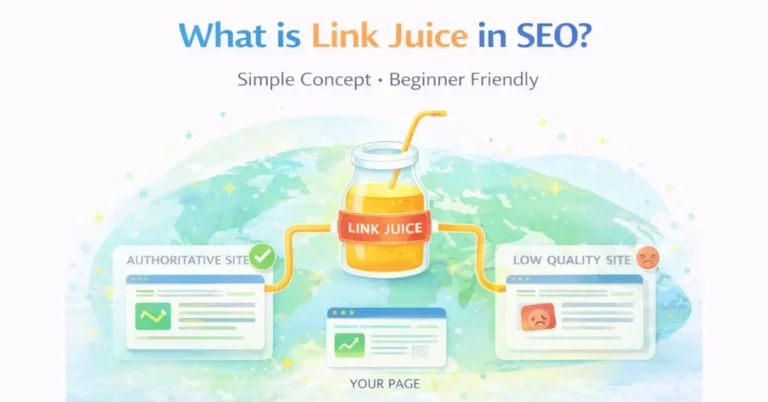
- Link Juice in SEO: A Simple & Easy Guide for Beginners
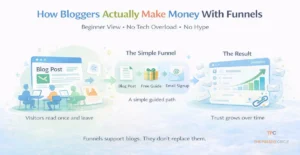
- How Bloggers Make Money With Affiliate Marketing Funnels (Simple Guide)
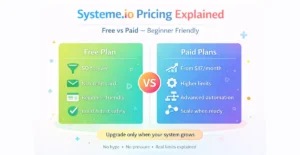
- Systeme.io Pricing Explained for Beginners (Free vs Paid Plans)
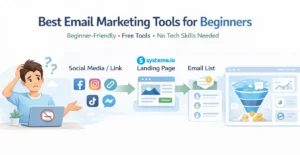
- Best Email Marketing Tools for Beginners With No Website
Suggested Blog Posts
- The Ultimate Affiliate Marketing Guide for Beginners 2025 [Proven + Powerful Strategies]
- Systeme.io Ultimate Guide 2025: Login, Pricing, Features, Reviews, and How to Get Started
- ExonHost Review 2025: Best Hosting for Fast & Reliable Websites in Bangladesh
- 10 Simple Steps to Master Easy Table of Contents in Blocksy
- Blocksy Theme Review 2025: The Best WordPress Theme for Affiliate Bloggers
- How to Use Ubersuggest for SEO and Skyrocket Blog Traffic Fast (Honest Review + Free Trial)
- Avoid These 10 Affiliate Marketing Mistakes Beginners Always Make
Helpful Resources to Learn More About Backlinks
If you want to understand backlinks more deeply and see real examples, these trusted resources explain backlink building in a clear and practical way. They are especially helpful for beginners.
- Google Search Central – Link Best Practices
Learn how Google views links and what counts as a quality backlink.
https://developers.google.com/search/docs/crawling-indexing/links-crawlable - Ahrefs Beginner Guide to Link Building
A simple and visual guide explaining how backlinks work and how to earn them naturally.
https://ahrefs.com/blog/link-building/ - Backlinko Guide to Backlinks
Easy explanations with real examples of backlink strategies that work.
https://backlinko.com/backlinks-guide - Moz Beginner’s Guide to Link Building
A trusted resource that breaks down backlink concepts in plain language.
https://moz.com/beginners-guide-to-link-building