This post may contain affiliate links. If you purchase through these links, I may earn a small commission at no extra cost to you. Read our full Affiliate Disclosure
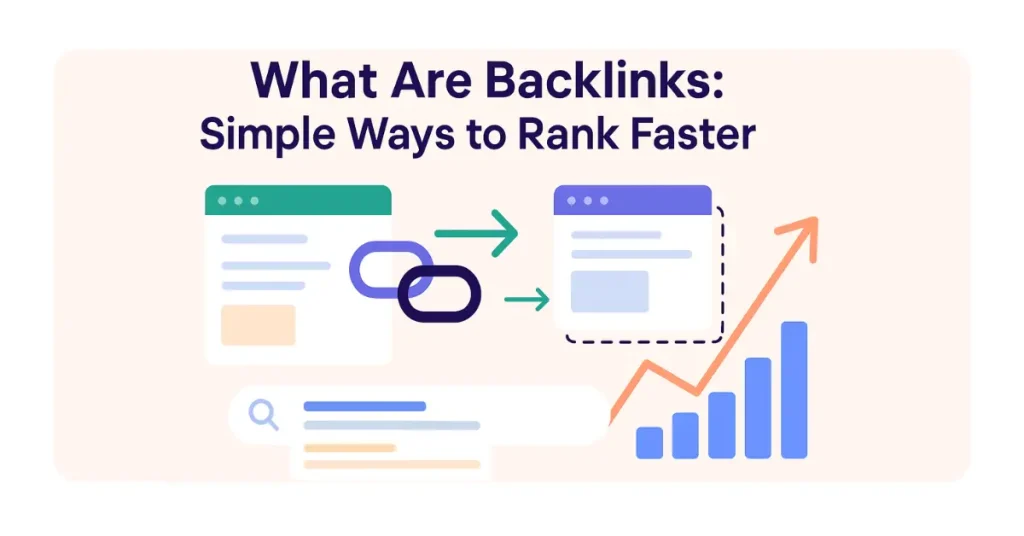
Backlinks tell Google that another website found your content helpful enough to reference. So, what are backlinks? Backlinks are one of the strongest ranking signals in SEO. Think of it as online recommendations.
When respected websites mention your blog, Google sees your content as trustworthy. This trust helps your pages move higher in search results and get discovered by more readers. Backlinks are especially helpful when you are just starting, as they give your new blog the authority it does not yet have.
Table of Contents
What Are Backlinks
Backlinks are links from other websites that point to your content. They act like votes of confidence from the internet. When someone links to you, it tells search engines that your content has value. These links also show what topics you cover and who you relate to in your niche.
Here is a simple way to understand it. Imagine posting a helpful guide on your blog. If another blogger uses your guide as a reference, they may link to it. That link becomes a backlink. If a bigger site does the same, that backlink becomes even more powerful. The more helpful and relevant your content is, the easier it becomes to earn backlinks naturally.
Beginners often think backlinks come from tricks. The truth is different. Backlinks come from usefulness. When you solve a problem clearly, other websites notice and link to your content.
Why Backlinks Matter for SEO
Backlinks help your SEO by showing search engines that your content is trusted. Google uses backlinks as signals of authority and quality. If multiple websites link to your blog, Google assumes you are offering helpful information.
Backlinks support your SEO in several ways.
- They boost your search rankings by improving your page authority.
- They help Google discover and index your posts faster.
- They send referral traffic that is usually more engaged.
- They strengthen your brand inside your niche.
- They make your website look more legitimate from the outside.
Backlinks do not work alone. They work together with your content quality, your site structure, and your user experience. When all these pieces fit, backlinks give your SEO the push it needs.
How to Get Backlinks as a Beginner
As a beginner, you might wonder how to get backlinks when your blog is new. The answer is simple. You focus on value first. People link to content that makes their lives easier. You do not need a big audience to earn your first backlinks. You only need something genuinely helpful.
Here are easy ways beginners can earn backlinks.
- Create content worth referencing.
Write guides, tutorials, and reviews that answer real questions. Content that solves a problem is more likely to get linked by others. - Guest posting.
Offer to write for blogs in your niche. You provide a helpful post, and they allow you to link back to your site. This is one of the fastest ways to earn quality backlinks. - Engage in niche communities.
Join Facebook groups, Reddit communities, or SEO forums. Share your insights. When your advice helps someone, they may link to your blog later. - Broken link building.
Find pages with broken links in your topic area. Suggest your content as a replacement. This helps both sides and often results in a backlink. - Share resources others want to link to.
Templates, checklists, case studies, and comparison charts attract organic backlinks because they save other creators time.
You do not need every method. Pick the ones that feel natural and start slowly.
Read my detailed Blog post : How to Get Backlinks: 11 Simple and Effective Methods for Beginners
Your Backlink Profile Explained
Your backlink profile is the total collection of all backlinks pointing to your site. It includes the number of links, the quality of the sites linking to you, the type of links, and the anchor text used. A clean, healthy backlink profile shows a natural mix of sources that align with your niche. This helps search engines trust your website more.
A good backlink profile grows gradually. You might start with a few simple links from small blogs and communities. Later, you may earn links from larger sites as your content improves. The goal is not to chase every link. The goal is to attract relevant links that support your content.
A backlink profile that grows too fast or comes from strange websites can look suspicious. Google likes natural patterns, so focus on steady, honest growth.
How to Check Your Backlinks
Checking your backlinks is part of maintaining a healthy SEO foundation. Tools like the Ahrefs backlink checker make it easy to see who links to you. You can also use free or beginner tools to monitor basic backlink data.
Checking your backlinks helps you:
- Understand what type of content earns the most links.
- Find harmful or spammy links you did not request.
- Learn which websites or communities talk about your blog.
- Discover collaboration opportunities with sites already linking to you.
This step is helpful because backlinks offer insights into how your content is spreading online. You may find links from sites you have never visited. This usually means your content is working.
What is a Backlink Audit
A backlink audit is a detailed review of all the links pointing to your website. You do it to make sure your links are healthy and relevant. Every site collects a few unwanted links over time. These may come from spam directories, auto-generated lists, or low-quality sites.
A backlink audit helps you:
- Identify harmful or irrelevant links.
- Understand the patterns in your backlink profile.
- Remove risky links using the disavow tool in Google Search Console.
- Strengthen your authority by keeping only helpful signals.
You do not need to audit your links every week. A simple check every few months is enough for beginners. The goal is to keep your link profile clean and avoid negative SEO effects.
Backlink Sites and Free Backlink Offers
Many beginners search for backlink sites or unlimited free backlinks. These offers promise hundreds of backlinks with no effort. They may look tempting, but they rarely help. Automated backlinks often come from low-quality or unrelated websites. These links do not support your SEO and can even hurt your site.
Real backlinks come from genuine value. They come from helpful content, honest relationships, and natural sharing. Avoid shortcuts. Google is very good at identifying artificial links.
If you ever use backlink sites, focus only on trusted platforms that allow real engagement. Avoid lists that promise quick results for no work.
Good vs Bad Backlinks
Not all backlinks help your SEO. Good backlinks come from relevant and trustworthy websites. They send clear signals that your content has value. Bad backlinks come from unrelated or spammy sources. These links confuse search engines and can lower your trust score.
Good backlinks often come from:
- Blogs in your niche
- Real communities
- Resource pages
- Guest posts
- Review pages
Bad backlinks often come from:
- Random directories
- Automated lists
- Spam sites
- Irrelevant comments
- Paid link blasts
Keep your focus on clean, organic growth. It may be slower, but it is safe and long-lasting.
Backlinks and EEAT for Beginners
Backlinks support your EEAT signals, which stand for experience, expertise, authority, and trust. When real websites link to your blog, they confirm that you know what you are talking about. This is very important for new bloggers because EEAT tells Google that your content is backed by real effort and real experience.
You can strengthen your EEAT by sharing your personal journey, showing real results, and writing content you understand well. When your content feels genuine, backlinks follow naturally.
Final Thoughts
Backlinks are one of the most powerful parts of SEO, and they are simple to understand. They are recommendations from other sites that help Google trust you. When you write helpful content, join real communities, and build honest relationships, valuable backlinks appear over time.
Stay patient. Stay consistent. Be helpful. Focus on quality. These habits create a backlink profile that supports long-term SEO growth and steady traffic.
If you’re interested in learning more about SEO, check out my Complete SEO Guide for a better understanding.
- How to Do Keyword Research for Free (Find Easy Keywords for Beginners)
- Link Juice in SEO: A Simple & Easy Guide for Beginners
- How Bloggers Make Money With Affiliate Marketing Funnels (Simple Guide)
- Systeme.io Pricing Explained for Beginners (Free vs Paid Plans)
- Best Email Marketing Tools for Beginners With No Website
Suggested Blog Posts
- The Ultimate Affiliate Marketing Guide for Beginners 2025 [Proven + Powerful Strategies]
- Systeme.io Ultimate Guide 2025: Login, Pricing, Features, Reviews, and How to Get Started
- ExonHost Review 2025: Best Hosting for Fast & Reliable Websites in Bangladesh
- 10 Simple Steps to Master Easy Table of Contents in Blocksy
- Blocksy Theme Review 2025: The Best WordPress Theme for Affiliate Bloggers
- How to Use Ubersuggest for SEO and Skyrocket Blog Traffic Fast (Honest Review + Free Trial)
- Avoid These 10 Affiliate Marketing Mistakes Beginners Always Make
Helpful Resources to Learn More About Backlinks
If you want to understand backlinks more deeply and see real examples, these trusted resources explain backlink building in a clear and practical way. They are especially helpful for beginners.
- Google Search Central – Link Best Practices
Learn how Google views links and what counts as a quality backlink.
https://developers.google.com/search/docs/crawling-indexing/links-crawlable - Ahrefs Beginner Guide to Link Building
A simple and visual guide explaining how backlinks work and how to earn them naturally.
https://ahrefs.com/blog/link-building/ - Backlinko Guide to Backlinks
Easy explanations with real examples of backlink strategies that work.
https://backlinko.com/backlinks-guide - Moz Beginner’s Guide to Link Building
A trusted resource that breaks down backlink concepts in plain language.
https://moz.com/beginners-guide-to-link-building