This is the execution guide. If you already know why you want to do this, skip straight to Step 1. If you want the reasoning first, read why I chose affiliate marketing before coming back here.
Seven steps. No fluff. Here is exactly what to do, in order.
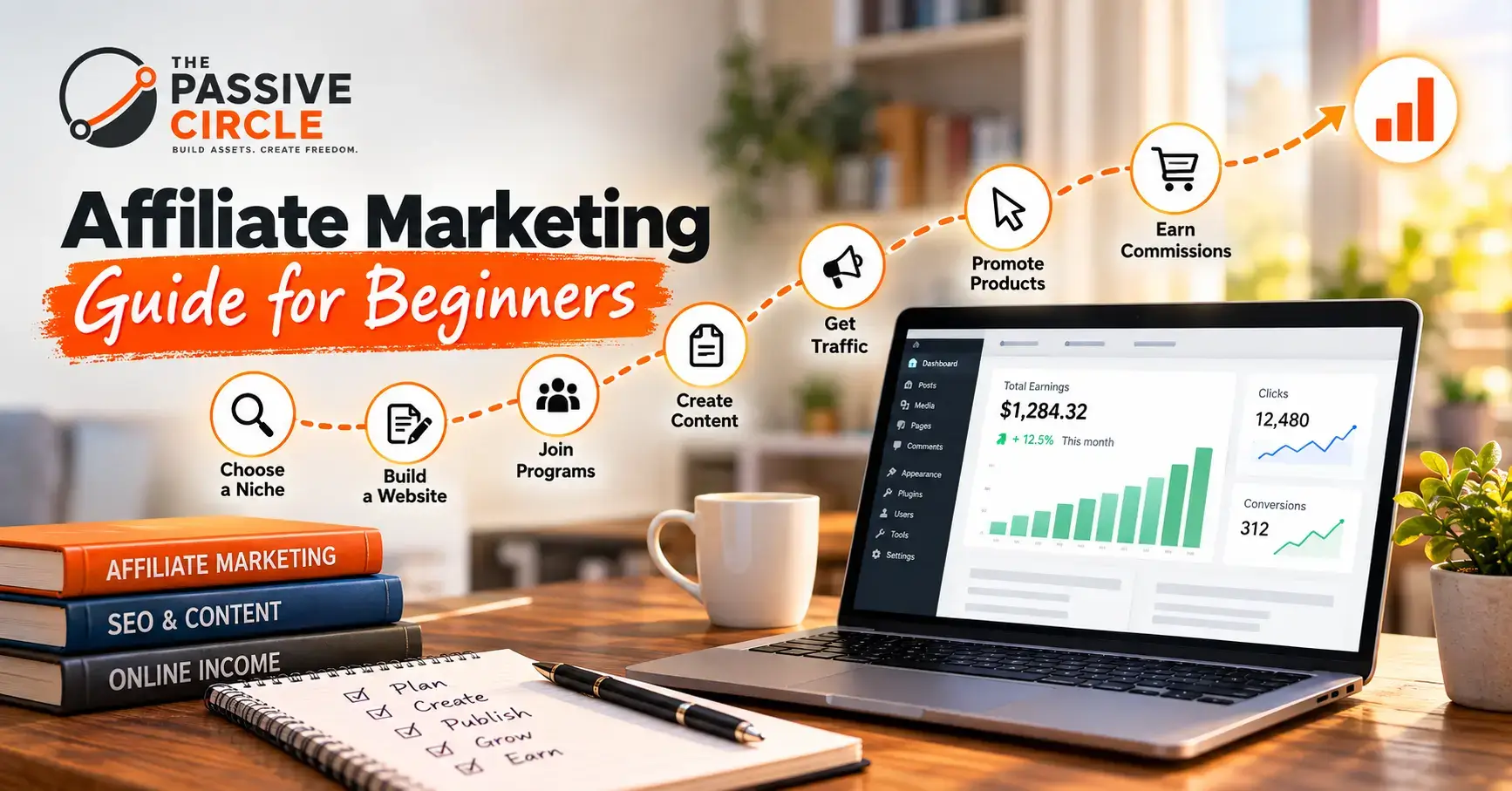
Step 1: Choose a Niche
Pick a topic narrow enough to rank for, broad enough to write 50+ posts about.
| Check | Question to Ask |
|---|---|
| 1 | Are there affiliate programs already selling products in this space? |
| 2 | Can you name at least 20 realistic post topics right now? |
| 3 | Would you still want to write about this in six months? |
| 4 | Is the competition high, but not impossibly dominated by huge brands? |
Avoid “make money online” as a starting niche. It is oversaturated and brutal for a new site. A specific angle, like budget home office setups or beginner blogging tools, is easier to rank and easier to trust.
Step 2: Build a Website
You need three things before you publish your first post.
- A domain name. Short, easy to spell, matching your niche if possible.
- Hosting. This is where your site actually lives. See the best beginner-friendly hosting options, and my own walkthrough of setting up on Hostinger if you want a direct starting point.
- WordPress installed. Full setup steps are in how to set up a WordPress website.
Do not spend more than a weekend on this step. A simple, working site beats a perfect, unfinished one. I built The Passive Circle this same way, no coding, just a domain, hosting, and the Blocksy theme installed over a weekend.
Step 3: Join Affiliate Programs
Apply to programs that match your niche before you write your first post, so you know what you are writing toward.
| Program Type | Where to Find Them |
|---|---|
| Direct merchant programs | Search “[tool name] affiliate program” directly |
| Networks | ShareASale, CJ Affiliate, Impact |
| SaaS and software tools | Most list an affiliate link in their website footer |
For an all-in-one starting point that also runs its own in-house affiliate program, I use Systeme.io for funnels, email, and tracking in one place. I did not pick it because it is perfect. I picked it because it was simple enough to actually start with.
Read every program’s terms before applying. Look specifically for cookie duration, payout threshold, and payment method.
Step 4: Create Content
Publish consistently, using a small mix of content types instead of only one.
- Product reviews. Deep, honest reviews of tools you have actually tested.
- Comparison posts. “X vs Y” articles that help readers decide between two options.
- How-to guides. Step-by-step tutorials that solve one specific problem.
- Beginner explainers. Simple definitions and concepts, like this article’s companion piece, what affiliate marketing actually is.
Aim for one published post a week at minimum. Consistency matters more than volume.
Step 5: Get Traffic
Most beginner traffic comes from search, not social media. Start there.
- Do keyword research before writing, not after. Use this free keyword research workflow for beginners.
- Write for the actual search intent behind the keyword, not just the keyword itself.
- Add internal links between your own posts as you publish more of them.
- Submit your sitemap through Google Search Console’s Sitemaps report so pages get indexed faster.
Expect this to take months, not days. Search traffic compounds slowly, then accelerates once you have enough published posts linking to each other.
Before I had published much at all, Google Analytics already showed visitors coming in, from the USA, Germany, France, Poland. That moment made the whole thing feel real for the first time. My first affiliate clicks came in month two, and my first sale followed shortly after, just from writing honestly about what I was learning.
Step 6: Build an Email List
Traffic you do not capture is traffic you may never see again. Start your list from your very first post.
Full setup steps, including what to offer readers in exchange for their email, are covered in building your email list from day one.
A simple lead magnet, like a short checklist related to your niche, is usually enough to start collecting subscribers.
Step 7: Improve
Review your results monthly, not daily. Check three numbers.
| Metric | What to Do With It |
|---|---|
| Search Console impressions and clicks | Update old posts that are close to ranking but not quite there |
| Click-through rate on affiliate links | Test link placement and surrounding context if it is low |
| Email signup rate | Test a different lead magnet or opt-in placement if it is low |
This step is not a one-time task. It feeds back into everything above it. My own biggest early mistakes, starting with too broad a topic and waiting too long to collect emails, are exactly the kind of thing this step is built to catch before they cost you months.
Publish, measure, improve, repeat. This loop never really ends.
Fix one thing at a time. Do not rebuild your whole site because one post underperformed.